

Resources
Maintenance and technical guidance
Written by the people who install and service these machines, for the people who run them.
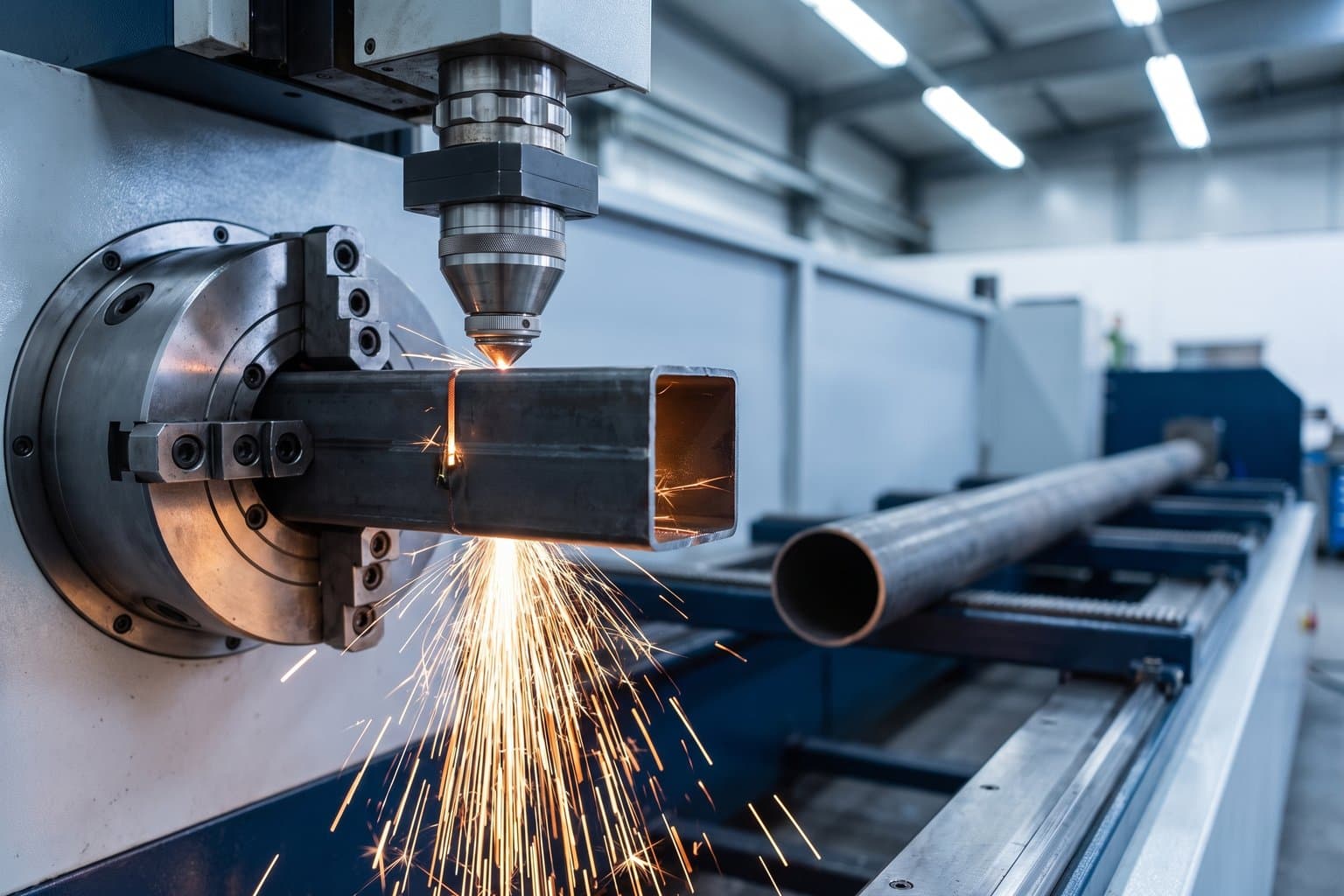
Tube laser capacity: diameter is not the number that stops the job
Buyers specify a tube laser on diameter. The number that actually decides which machine they need is the weight of the tube, and the same 150 mm section can weigh 107 kg or 254 kg on a six metre stick.
Doug Robinson
Buying a piece of equipment begins with properly understanding a problem
Nobody wants to buy a machine. They want to solve a problem. The specification you have written is your own diagnosis of that problem, and it is worth twenty minutes to check before you spend six figures.
Doug Robinson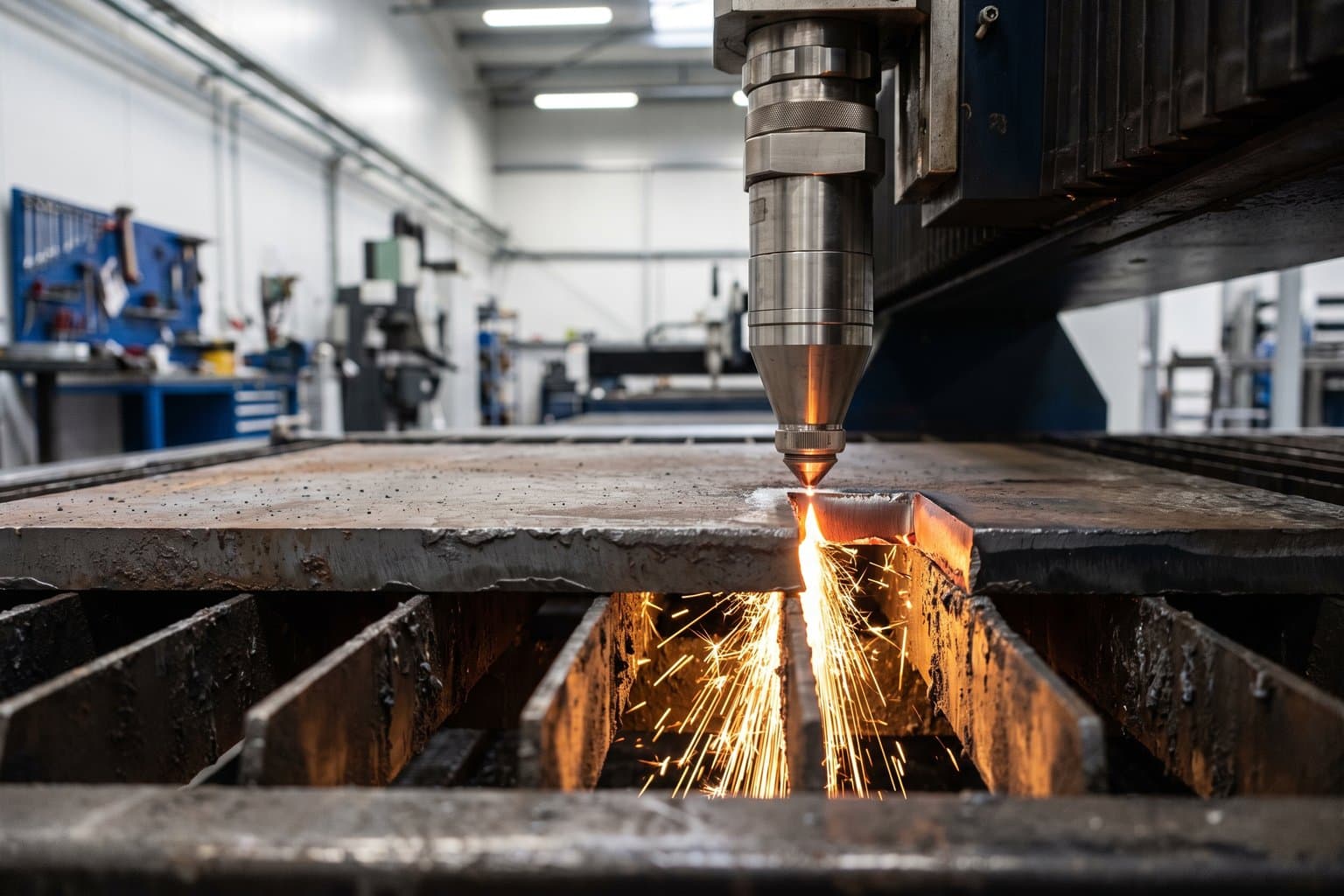
Fiber laser capacity: maximum thickness is not the number to specify on
Every fiber laser carries two thickness numbers for mild steel, and most machines get specified on the wrong one. The maximum tells you what the laser can sever on a clean sample. The production-ready figure tells you what it will run on your floor, on the steel you actually buy.
Adam Bender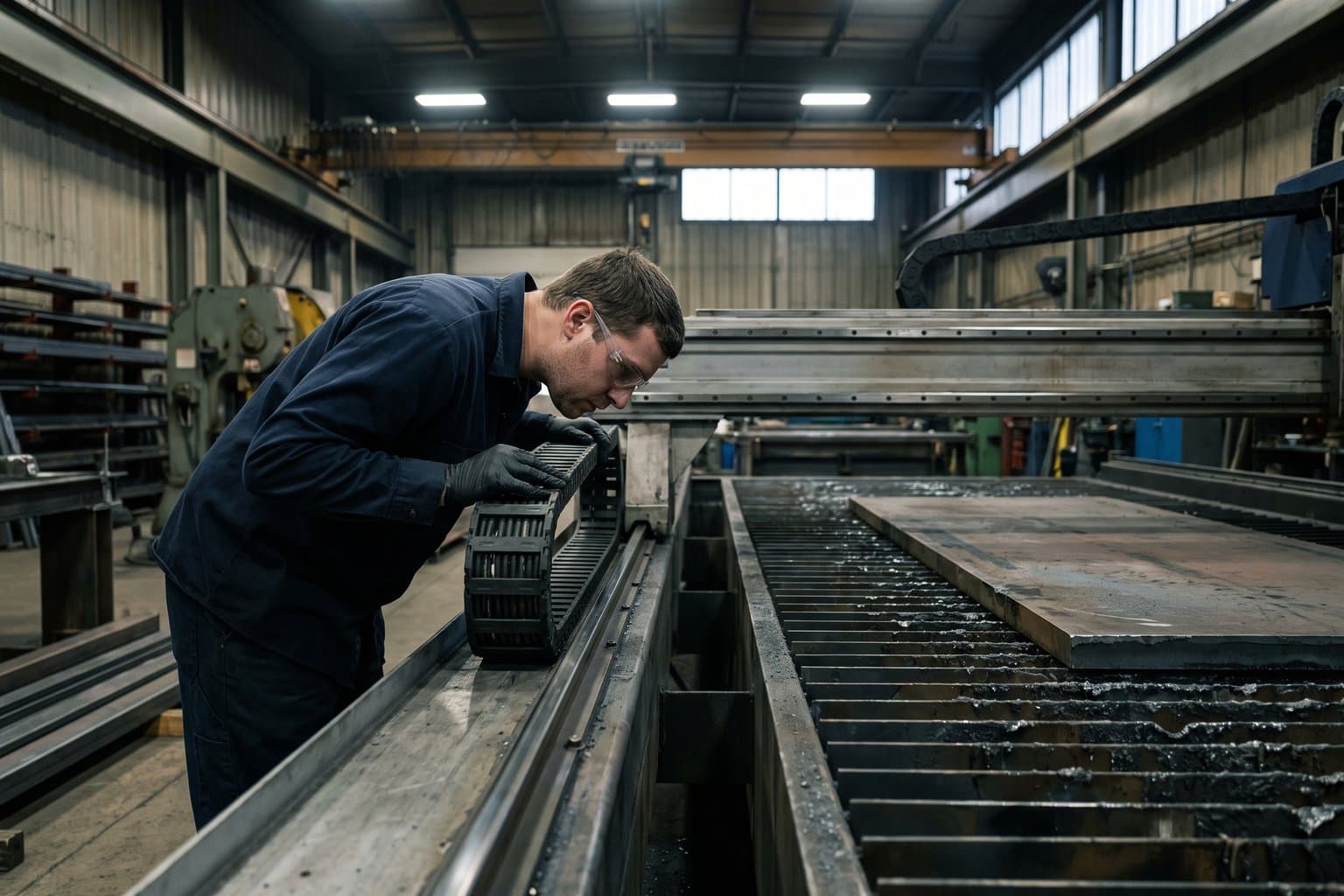
Plasma cutting machine maintenance: what actually causes the service call
Most plasma service calls trace back to three preventable things. Here is what to check every morning, which grease to use, and the one part you should never grease at all.
Adam Bender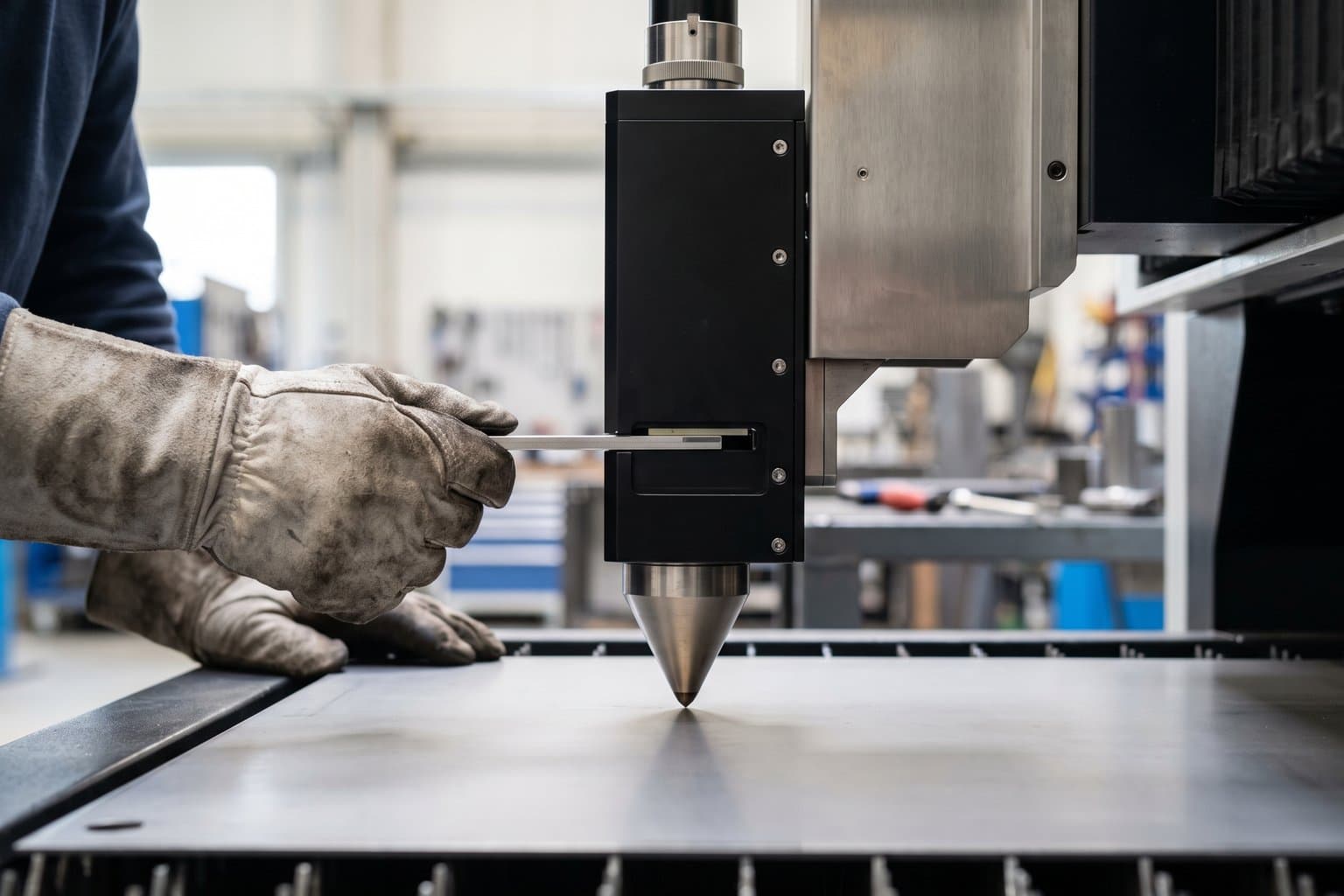
Fiber laser maintenance: a shorter daily list, and less room for error
A fiber laser asks less of the operator each morning than a plasma table does. The items that remain are the ones protecting the most expensive parts of the machine, including one that tells you it is failing before your cut quality drops.
Adam Bender